One step above gasto. Maybe similar levels with saizeriya. Nice oven pizzas.
Overview
Tucked away in Japan, 〒182-0002 Tokyo, Chofu, Sengawacho, 1 Chome−49−2 パール仙川 2F, La Pausa feels like one of those neighborhood spots you almost want to keep to yourself. I first stopped by on a rainy weekday evening after a long client meeting nearby, expecting a quick bite. Instead, I found myself lingering over pasta and watching the steady flow of locals who clearly treat this place as part of their routine.
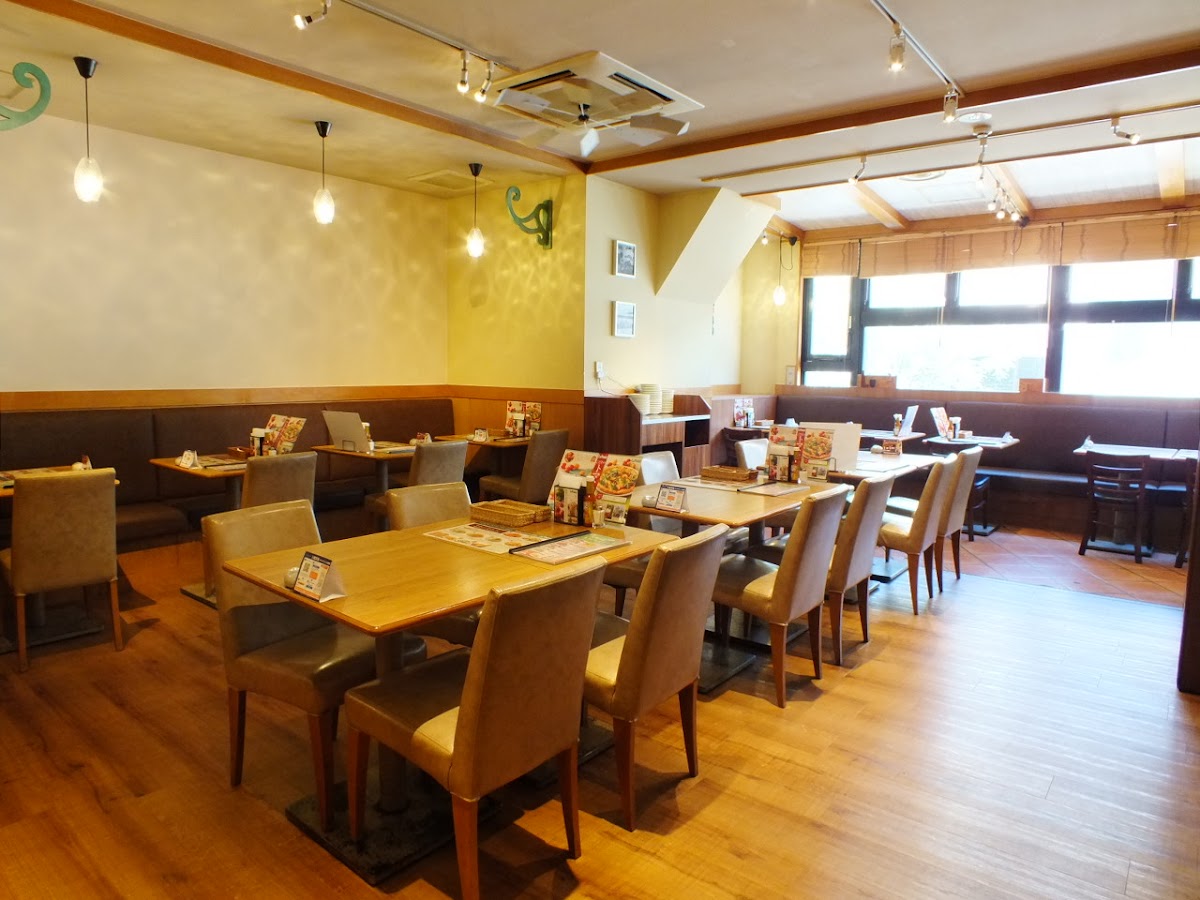
The location in Sengawa is easy to miss at first, sitting on the second floor of a modest building. But once you step inside, the atmosphere shifts. Warm lighting, simple wooden tables, and the gentle hum of conversation give it the relaxed vibe of a casual Italian diner. It’s not flashy, and that’s part of its charm. Families, students, and office workers fill the space, which says a lot about its reputation in Chofu.
The menu leans heavily into Italian comfort food-think pasta, pizza, gratin, and seasonal specials. On my first visit, I ordered a classic carbonara and a side salad. The pasta arrived quickly, coated in a creamy sauce with just the right balance of salt from the pancetta. According to data from the Italian Trade Agency, authentic carbonara relies on egg, cheese, and cured pork rather than heavy cream. While La Pausa’s version is slightly adapted for Japanese tastes, the flavor profile still respects the traditional foundation. That balance between authenticity and local preference is something many successful Italian restaurants in Japan strive for.
On a second visit, I tried their margherita pizza. The crust was thin and crisp around the edges, softer toward the center, and topped with fresh tomato sauce and melted mozzarella. The portion sizes are generous without being overwhelming, which makes it easy to share a few dishes among friends. I noticed many tables ordering a combination of pasta and pizza, turning a simple dinner into a mini feast.
What stands out most, though, is consistency. In the restaurant industry, consistency is everything. The Japan Food Service Association often highlights how repeat customers are driven more by reliable quality and service than by novelty. Over multiple visits, I found the flavors steady and the presentation neat. Even during peak dinner hours, the staff remained attentive, clearing plates promptly and checking in without hovering.
Reviews from locals frequently mention affordability, and that’s another strong point. Compared to upscale Italian restaurants in central Tokyo, La Pausa offers a much more budget-friendly option. Set menus and lunch specials make it particularly attractive for students and families. Sengawa isn’t as tourist-heavy as Shinjuku or Shibuya, so the crowd feels authentically local. That adds to the experience, especially if you’re looking to explore dining outside the usual hotspots.
From a food safety perspective, Japan maintains strict hygiene standards under the Ministry of Health, Labour and Welfare. While diners rarely think about it, those regulations ensure a baseline of cleanliness and ingredient handling across restaurants. In my visits, the dining area, cutlery, and restrooms were all well-maintained, reinforcing a sense of trust. Still, like any busy diner, wait times can stretch during weekends, so planning ahead helps.
The drink selection includes soft drinks, coffee, and a modest range of wines. I once paired my pasta with a glass of house red, which complemented the dish without overpowering it. It’s not a wine bar by any means, but it covers the basics well enough for a casual meal.
If you’re exploring Chofu or simply passing through Sengawa Station, this spot is worth the short walk. It works equally well for a quick solo lunch, a relaxed dinner with friends, or even a low-key date. While it may not compete with high-end Italian establishments in terms of culinary innovation, it doesn’t try to. Instead, it focuses on dependable flavors, accessible prices, and a welcoming atmosphere-qualities that keep people coming back again and again.
Good to know
Service options
✓ Delivery ✓ Takeaway ✓ Dine-inHighlights
✓ All you can drink ✓ Great coffee ✓ Great dessertPopular for
✓ Lunch ✓ Dinner ✓ Solo diningAccessibility
✓ Wheelchair-accessible car park ✓ Wheelchair-accessible entrance ✓ Wheelchair-accessible seatingOfferings
✓ Alcohol ✓ Beer ✓ Cocktails ✓ Coffee ✓ Happy-hour food ✓ Quick bite ✓ Small plates ✓ WineDining options
✓ Brunch ✓ Lunch ✓ Dinner ✓ Dessert ✓ Seating ✓ Table serviceAmenities
✓ Smoke-free place ✓ ToiletAtmosphere
✓ Casual ✓ CosyCrowd
✓ Family friendly ✓ Groups ✓ University studentsPlanning
✓ Accepts reservationsPayments
✓ Credit cards ✓ Debit cards ✓ NFC mobile payments ✓ PayPay ✓ Rakuten Pay ✓ Credit cardsChildren
✓ Good for kids ✓ High chairs ✓ Kids' menuPhotos
1 / 4
Location
Reviews
- No ratings yet 182 reviews
ラパウザは居酒屋チェーン・コロワイドの子会社で、????????意味はΓ休憩所」。 実はデザイナーの女王ココ・シャネルが????????ウェストミンスター公爵・コクトー・ヴィスコンティら著名人を迎えるために、所有していた地中海リビエラの別荘の名前でもある。 サイゼリヤと明らかに違うのは、サルシッチャやゴルゴンゾーラなど本格的な食材を使っていること。 その点は普通のイタリア料理屋とベースは同じだ。 興味深いのはセンベロ・セット。 赤ワインに生ハム、ラタトゥイユ、スモークサーモン・サラダのワンプレート。 これは大満足だ。 メニューもいろいろだが、冷やしパスタではなく、ルッコラとサルシッチャのペペロンチーノに、ゴルゴンゾーラのトッピングを注文した。 するとたちまち熱々のオリーブオイルにゴルゴンゾーラが溶け込み、強烈なブルーチーズがニンニクの焦げ味を呑み込んでしまった。 ブルーチーズパスタになった。 これはトリュフ風味パスタより格段に美味い。 サルシッチャもゴルゴンゾーラでさらに美味しくなった。 オーナーが見張っている個人営業より、客のテーブル調理で、いろいろ冒険できそうな店だ。
夫と小学生の子供2人の4人で、私の誕生日に、夜、利用しました。大人はコース、子供はアラカルトにも快く対応。実際飲食中もとても良い対応で、子供達もご機嫌でした。 食事は、ピザがとても美味しかったです。パスタはナスのボロネーゼをコースから頼んだのですが、私が作っても同じレベルでしたw パスタ以外の料理も美味しかったです。 子供が「私の誕生日の時もここがいい!」と言っていました。
2023年11月18日(土) お昼ごはんに3人で来店 お酒、カプレーゼ、パスタ、ピザ、海老などなど。。。 料理はどれも美味しかったですが、WiFiのkeyがちょっと難しくて繋げられませんでした…。 ギガに困ってる訳では無いので平気なんですが、、、若干悔しかったです。。。 仙川のラパウザさんは数年前、仕事の休憩でよく利用してました。 久々に食べに入りましたので、知らないメニューがけっこう増えてて楽しかったです。 久々だからこその感動がありました。 高校時代の友人が、学生の頃、吉祥寺のラパウザさんでアルバイトしていたのもあり、そこそこ愛着のあるお店です。。。 サングリアの中のフルーツも美味しかったです 騒がしくして、すみませんでした、、、 美味しかったです
季節限定のパスタとデザートをいただきました。両方とも美味しかったです。 フロアもテーブルも広めで、余裕があり、喧噪感も無くゆったり過ごせました。